In India, the concept of
smart homes using AI is no longer just a buzzword. It’s a lived reality transforming households, from bustling cities to emerging towns. By weaving artificial intelligence (AI) into daily routines, we are opening up new possibilities for how we live, work, and care for our loved ones. What was once a futuristic fantasy is now accessible and highly relevant to Indian contexts—offering improved safety, significant cost savings, better health, and pure convenience.
This article brings together market insights, expert analysis, and practical guidance to show how smart homes using AI in India are unlocking new possibilities at every level. Whether you’re a technophile eager for the next gadget, or a family looking for peace of mind, you’ll find actionable value here.
The Evolving Landscape of Smart Homes in India
India’s move toward digitalization is rivaled only by its appetite for transformative technology. According to a 2024 NielsenIQ report, nearly half of intended smart appliance buyers nationwide will be
first-time users. Factors driving this surge include affordable data, wider IoT device ranges, and a generation raised on technology.
Major cities such as Mumbai, Bengaluru, and New Delhi are leading adoption, but smaller towns are not far behind. Local startups, like
JioThings and
Oakter, are offering AI-powered sensors, lights, and locks tailored for Indian budgets and electrical conditions. Global players, including Google and Amazon, have designed products with features suited for Indian languages and power grids. As consumer awareness grows, we see AI going beyond urban luxury—becoming a key tool for modern living across the socioeconomic spectrum.
What Makes an Indian Smart Home ‘Smart’?
Let’s break down five standout features of smart homes using AI in India. These innovations are not just imported trends—they’re solutions built around the diverse realities of Indian households.
- Personalized Automation: AI-enabled routines can turn off fans when you leave a room, or time the start of your geyser for chilly mornings. In apartments with erratic power, smart devices help balance loads and protect appliances from surges. The result? Reduced energy bills and less hassle for homeowners.
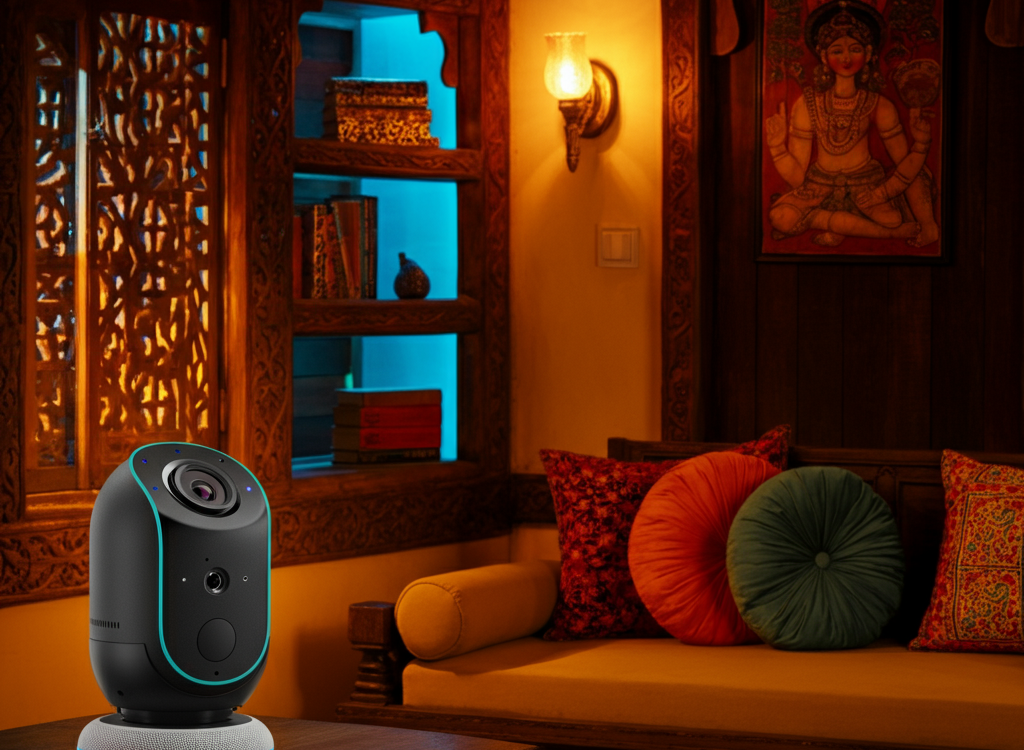
- Advanced Security: Safety is a top concern. AI-powered cameras now use face recognition, motion patterns, and remote access to reliably differentiate between guests and potential threats—even in low-light conditions. Some systems, like Vivint and CP Plus, also feature automatic police alerts, giving families an extra layer of trust.
- Dynamic Energy Management: With rising electricity costs, AI-driven smart meters and thermostats help monitor, analyze, and optimize usage. This isn’t just about cost-cutting; it’s about adapting comfort to India’s hot summers, humid monsoons, and power fluctuations. Bureau of Energy Efficiency (BEE) now lists AI-based solutions among the top tools for sustainable homes.
- Custom Entertainment: Indian celebrations are vibrant and varied. AI in smart TVs and speakers, such as those from Samsung and Sony, can curate content in Hindi, Tamil, Telugu and more—automating playlists for family gatherings or festivals, and personalizing recommendations for every generation.
- Health & Wellness Monitoring: As air pollution and seasonal illnesses remain concerns, AI-enabled air purifiers and wearable integrations are fast gaining ground. These systems track pollutants, control temperature and humidity, and can trigger reminders for hydration or medication—making health management effortless and proactive.
Understanding the Hurdles: Challenges and How to Overcome Them
Despite the clear advantages, adoption of smart homes using AI in India opening up new possibilities is not without its challenges. Here’s what Indian homeowners and experts have identified—and how you can navigate them:
- Upfront Cost: While AI-driven smart systems used to be a luxury for few, increased competition and Indian-focused engineering have driven prices down sharply in the last two years. Platforms like Flipkart and Amazon India regularly offer package deals and EMI options to lower barriers for middle-class families.
- Data Privacy: Trust remains a concern. Many newer devices now use on-device AI and encryption, keeping personal data secure. Reputed brands provide transparent privacy policies—always check for them before buying. Experts recommend regularly updating firmware and using secure Wi-Fi networks for extra protection.
- Device Compatibility: Older homes often have appliances from multiple brands and generations. The emergence of universal protocols (like Matter) is fast erasing these pain points, ensuring devices from different makers can ‘talk’ to one another.
- Awareness and Education: Misinformation or lack of awareness is common, especially outside metros. Manufacturers and retailers increasingly host interactive demos and workshops to bridge this gap. In 2025, several Indian home improvement expos will feature live “AI home” walkthroughs—with hands-on consultations to help buyers make informed choices.
Expert Insights: What’s Next for Smart Homes Using AI in India?
“India has unique challenges—variable voltage, diverse climates, and cultural nuances—but these are opportunities for homegrown innovation,” notes
Anant Jain, Head of Market Intelligence at NIQ India. “In the next five years, we’ll see affordable AI expanding to smaller cities and rural markets, broadening benefits to millions more.”
AI integration is also expected to grow with
5G infrastructure, which is rolling out nationwide. Faster data means quicker device responses and seamless streaming—even as more appliances connect. “We’re building homes that respond and adapt, not just automate,” says Bengaluru-based home automation expert
Dr. Kavita Sharma.
Sustainability is another key trend. New housing codes in major cities are rewarding green designs, and manufacturers are incorporating AI to optimize solar power and water usage—even predicting maintenance needs before breakdowns occur.
How to Get Started with Smart Home AI (Without the Overwhelm)
- Assess Your Priorities: Start with the basics. Is security your top concern? Look for a reliable smart camera or digital lock first. Is saving on energy bills more attractive? Try smart bulbs and programmable thermostats.
- Read Real User Reviews: Don’t just follow ads or influencer hype. Talk to neighbors, join homeowner forums, and learn from people who’ve set up AI-powered homes in India’s unique conditions.
- Set a Modest Budget: Begin small—voice assistants, smart plugs, or one-room automation kits can cost less than a weekend dinner out. You’ll build confidence, then gradually expand as you see real-life gains.
- Plan for Growth: Choose systems that allow easy upgrades. Today’s starter kit should work with tomorrow’s smart fridge or solar panels. Modular designs help you avoid lock-in.
- Get Professional Help (if needed): Reliable installation and user training can make all the difference, especially with more complex setups. Many brands now offer certified partner services in major cities and towns.
Unlocking the Real Benefits: Beyond Gadgets to Lifestyle Transformation
What makes
smart homes using AI in India opening up new possibilities so powerful is not the gadgets, but the shift in daily experience. Families share stories of remote-care for seniors, efficient energy use during rolling blackouts, or systems that alert them to leaks and storms before damage occurs. Smart homes deliver:
- Peace of mind via 24/7 security and instant alerts
- Significant cost savings through optimized power and resources
- Personalized health and lifestyle improvements
- Smoother daily routines with less manual effort
- Inclusivity—making homes accessible for elderly and differently-abled with voice and sensor technology
Industry leaders and government agencies alike recognize this shift. According to India’s Ministry of Electronics & IT, AI-powered smart homes are projected to reduce energy demand by up to 20% nationwide by 2030. More importantly, they’re making daily life safer, healthier, and more enjoyable for families across the country.
Conclusion: Your Home, Smarter—and More Human
As India steps boldly into a new era of home automation, one thing is clear:
Smart homes using AI in India are opening up new possibilities that go far beyond convenience and cost savings. With the right approach, smart technology can make our spaces safer, more efficient, and truly personalized.
Ready to embark on your own smart home journey? Start with what matters most. Even one small step—like setting up a smart bulb or camera—can unlock larger benefits over time. If you’ve already made the leap, share your story and help others learn! The AI-powered home revolution in India is just getting started. Don’t wait for “someday”—make today the first chapter in your smarter, happier home.