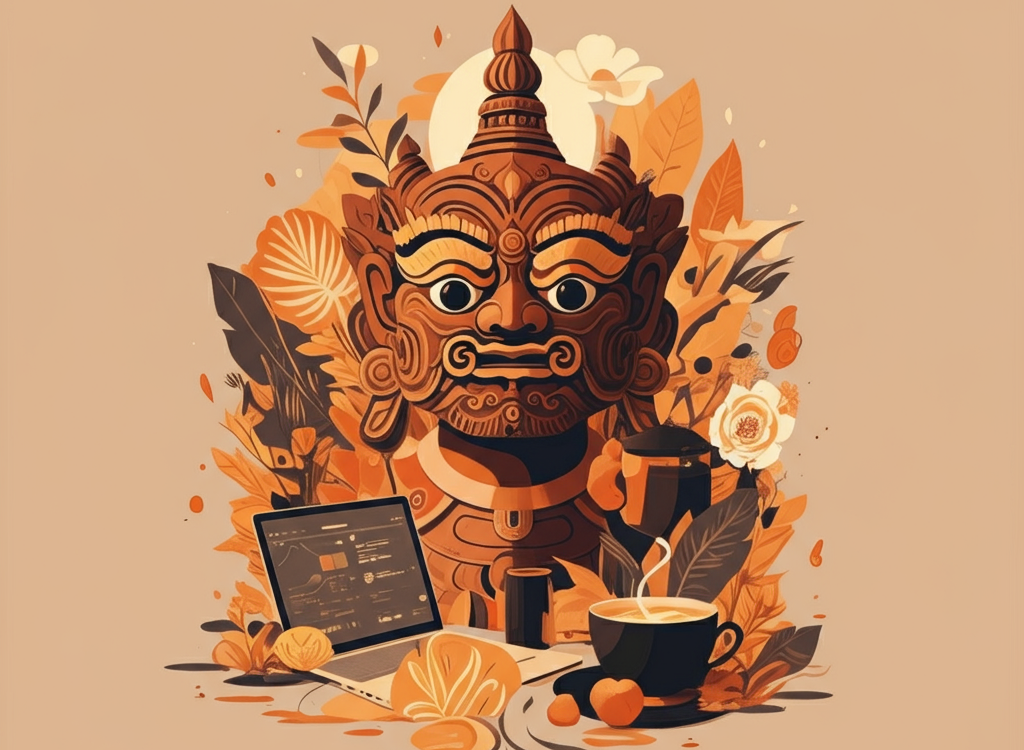
Sankkucomplex is a term gaining traction across cultural, psychological, and professional circles. But what does it truly mean, and why is everyone suddenly talking about it? This comprehensive guide explores the roots, real-life impact, and modern applications of sankkucomplex—drawing on expert insights and lived experiences to help you understand and leverage this complex phenomenon in your own life.
By reading this article, you’ll discover:
- What sankkucomplex is, including its origins and evolution
- How sankkucomplex affects mental health, identity, and daily life
- Why it matters for personal growth and workplace productivity
- Expert-backed strategies to embrace and benefit from sankkucomplex
Let’s dive into the layers of sankkucomplex and find out how it might shape your path, both personally and professionally.
What is Sankkucomplex?
At its essence,
sankkucomplex describes a state of inner conflict and adaptation at the intersection of heritage and modernity. The term blends “Sankku”—rooted in cultural origins—with “complex,” highlighting intricate webs of feeling, thought, and behavior. In daily life, it often manifests as the tension of honoring family traditions while growing into a unique modern self.
This concept has recently evolved beyond cultural or psychological contexts and is now making its mark in areas like organizational productivity and team dynamics.
Sankkucomplex: Tracing the Origins
The story of sankkucomplex begins with grassroots cultural thinkers and professionals grappling with how to preserve identity in a rapidly globalizing world. The term has appeared in cross-cultural psychology papers (see APA, Cultural Adaptation and Identity, 2023) to describe “identity tension”—the push and pull between community expectations and personal ambitions.
Real-World Snapshot: Think of a recent graduate raised in a tradition-bound family, eager to chase a non-traditional career path in a big city, all while honoring family expectations. That struggle—that dynamic dance between heritage and personal dreams—is a classic example of sankkucomplex in action.
The Psychology of Sankkucomplex
What does sankkucomplex do to the mind? Leading psychologists like Dr. Leena Patel, a specialist in cross-cultural identity formation, note that “sankkucomplex creates a value conflict that can be both paralyzing and a catalyst for creativity.”
- Identity stress: Feeling torn between who you are and who you wish to be in a new context.
- Cultural nostalgia: Missing familiar rituals while building a life in unfamiliar settings.
- Self-doubt: Second-guessing choices when family or ancestral values clash with personal goals.
This inner turmoil is common among:
- Immigrant and diaspora communities: Facing the everyday reality of merging two worlds.
- Multigenerational families: Navigating generational divides over values and tradition.
“When individuals learn to integrate their multiple cultural identities rather than seeing them as mutually exclusive, they experience greater resilience and well-being.”
— Dr. Rebekah Lin, author and cultural psychologist (Multicultural Identity, Springer, 2022)
How to Cope: Practical Strategies
- Embrace a Hybrid Identity: You are not required to pick one side; find your own blend of old and new. Reflect on what truly matters to you.
- Work with a Culturally Sensitive Therapist: Expert support can help you resolve guilt and clarify values (see Psychology Today – Cultural Competence).
- Cultivate Honest Conversations: Talking openly with loved ones about your aspirations often dissolves misunderstandings and builds empathy on all sides.
Sankkucomplex and Cultural Identity in a Globalized World
As the world grows more connected, sankkucomplex is becoming a hallmark of modern society. Globalization brings fresh ideas and opportunities but can threaten cherished cultural practices. For many, sankkucomplex is the “growing pain” of carving a modern identity while honoring ancestral ties.
- Artists & Creators: Use sankkucomplex as creative inspiration, blending cultural heritage with contemporary themes.
- Community Leaders: Draw on the concept to reimagine traditions through new media and technology.
“Empathy grows when we acknowledge the complexities of cultural adaptation. Sankkucomplex is not just a struggle; it’s a resource for growth and innovation.”
— Prof. Giulia Benedetti, Sociologist, University of Florence
Pop Culture & Everyday Life
Themes of sankkucomplex are woven through film, literature, and music. Movies like
The Farewell and
Moonlight portray the universal search for self-acceptance amidst cultural friction. Sharing these examples—whether over dinner or on social media—helps normalize the fact that you’re not alone in these struggles.
Productivity and Sankkucomplex: Finding Your Flow
Sankkucomplex doesn’t just live in the heart and mind; it’s now playing a central role in how teams work and grow together. In the workplace, sankkucomplex means balancing legacy methods with new technology and diverse perspectives to boost collaboration and results.
Bringing Sankkucomplex into the Modern Workplace
- Collaboration-first tools: Platforms that blend user-friendly design with custom workflows can help multicultural teams thrive.
- Systems that flex: Avoid one-size-fits-all models. Look for tools that respect the unique cultural context of your organization.
According to a 2024 McKinsey study, companies that embrace cultural complexity see 21% higher team efficiency and morale. That’s the power of putting sankkucomplex to work in your day-to-day business!
Everyday Practices for Success
- Spot what slows you down: Pinpoint repetitive or outdated tasks that could be improved or automated.
- Personalize your tools: Use productivity software that is adaptable and balances structure with the need for creativity.
- Open dialogue: Encourage regular team discussions about differing work styles, communication habits, and what success looks like for everyone.
Embracing Sankkucomplex in Your Life
Understanding sankkucomplex can be transformative. By acknowledging both your roots and your aspirations, you can develop a method for critical thinking, decision-making, and personal growth. Successful entrepreneurs and changemakers—from Shirley Koh to local community activists—have often spoken about the “creative tension” as what propelled them to build new opportunities.
- Reflect regularly: Ask yourself, “Where am I holding on? Where am I moving forward?”
- Seek feedback: Friends, mentors, and professional coaches are invaluable for perspective and new ideas.
- Track your progress: Keep a journal or use digital apps to note down wins, setbacks, and lessons learned.
Try this: Create a simple infographic for your team or family comparing “Traditional vs. Modern Approaches” to everyday challenges. Or start an online poll: “What part of sankkucomplex do you relate to the most—career, family, daily decisions?” You might be surprised how many people share your experience.
Frequently Asked Questions About Sankkucomplex
Q: What’s the biggest benefit of understanding sankkucomplex?
A: It helps you bring clarity and peace to the inner conflict between heritage and new opportunities. This balance leads to stronger self-confidence and opens doors to greater personal and professional success.
Q: Who can relate to sankkucomplex?
A: Anyone—including professionals, students, immigrants, and creative types. If you’ve ever felt caught between the “old way” and the “new way,” you’re already familiar with sankkucomplex, even if you haven’t used the term.
Q: Can sankkucomplex create problems if left unchecked?
A: Yes, the stress from navigating conflicting expectations can increase anxiety or stall decision-making. That’s why practicing awareness and healthy coping is vital.
Q: Does sankkucomplex only apply to culture?
A: Not at all. This concept is now used in leadership, business, education, and the arts. Wherever people balance the old with the new, sankkucomplex has relevance.
Conclusion: Choosing Growth (and Peace) with Sankkucomplex
Sankkucomplex is more than just a buzzword; it’s a vital tool for self-discovery and success in a fast-changing world. By learning to honor both tradition and innovation, individuals and organizations unlock new levels of creativity, understanding, and performance. Embrace the complexities—because within them lie your greatest strengths.
Want to join the conversation? Share your thoughts in the comments, vote in our poll above, or post your own “Sankkucomplex story” with the hashtag #SankkuStories on social media. Let’s learn from each other as we navigate this fascinating journey together.